
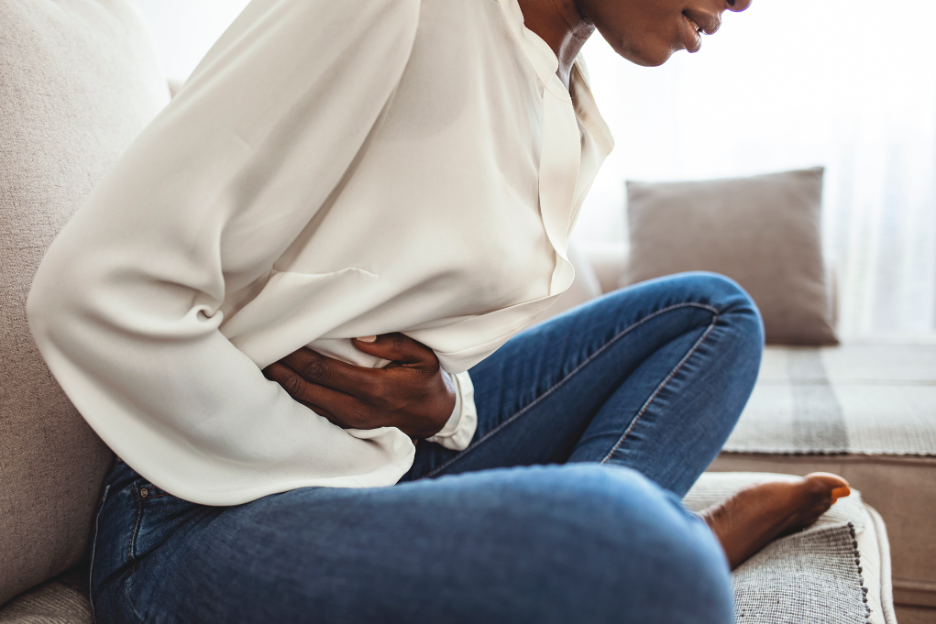
If you are in your late 30s or 40s, your period may not feel the same. For example, your symptoms may last longer than before, or you may notice stress feels harder to manage before your cycle starts.
If this sounds familiar, you are not imagining it. Many women notice these changes as they age. For most, this is a normal part of how the body changes.
Our 219 Health Network OB/GYN specialists explain why PMS symptoms may feel stronger during this stage of life and when it may be helpful to check in with an OB/GYN.
What is PMS and how does it affect you?
Premenstrual syndrome (PMS) describes the changes you feel before your period begins.
These changes affect your body and your mood. Some women feel bloated or sore, others are tired or have headaches and some feel more emotional than usual.
This happens because your hormones rise and fall during your cycle. Estrogen and progesterone are the main hormones involved. When these levels change, your body and brain react.
Because of that, PMS does not look the same every month, and there is also no single test for it. Instead, your OB/GYN specialist will check when symptoms appear and how long they last. By tracking a few cycles, your provider can see patterns and understand what is going on.
What changes make PMS symptoms worse over time?
As you get older, your hormones may not follow the same steady pattern. In your late 30s and 40s, estrogen and progesterone can rise and fall more unevenly.
These fluctuations can make your PMS symptoms feel more intense than before.
Symptoms may start earlier before your period. They may also feel different from month to month, and this unpredictability can be frustrating.
Another piece of the puzzle is perimenopause. This is the time before menopause when the body slowly starts to change. It can start years before periods fully stop.
During this phase, your hormones may swing more sharply. Your cycle may also get shorter or longer and your PMS can feel harder to predict and harder to manage.
Your OB/GYN specialist can help you understand what is normal and explain the differences between PMS and early perimenopause.
What PMS symptoms feel different in your late 30s and 40s?
Not everyone experiences the same PMS symptoms. However, many women notice changes as they move through their late 30s and 40s.
Physical symptoms can feel stronger than before. For example, cramps or bloating can be more uncomfortable or fatigue can linger longer after your cycle ends.
Emotional changes also are common. Your mood swings may feel sharper, or your anxiety may increase before your period.
Stress can make PMS feel worse. Work stress and poor sleep can make symptoms harder to handle.
When should you talk to an OB/GYN about PMS?
If PMS starts to interfere with your daily life, you need to pay attention. This includes trouble at home or work or in your relationships.
You do not have to push through symptoms that feel overwhelming. Your body is changing, and it is okay to ask why. Your OB/GYN can help you understand what is normal for this stage of life. They can also help you figure out what may be worsening your symptoms.
An OB/GYN specialist can track your cycle over time. They can look for patterns in your symptoms and determine if perimenopause may be part of the picture.
Looking for an affordable OB/GYN specialist in Northwest Indiana?
Do you need help understanding changes in your PMS symptoms? If so, 219 Health Network is just a call away. Our board-certified OB/GYN specialists can help you better understand your cycle and what your symptoms may be telling you. Contact us today at 833-219-0001 to get started.