
A small cut can look harmless, but bacteria have a direct path into the body once the skin is open. That is why doctors warn that there is no such thing as a “safe” open wound if it is ignored. With that in mind, our internal medicine specialists in Hobart, Indiana are going to explain how these infections start, and why even a small cut can become a serious problem.
Small cuts can still become big problems.
Your skin keeps out germs, heat, cold and chemicals. When that protective barrier breaks, bacteria can get inside. So, a small cut can become a real problem if it is not cleaned or treated soon after it happens.
Some people are at higher risk. For example, people with diabetes are more likely to get infections. Poor blood flow in the legs can also delay healing and make infections harder to control. So, what looks like a small cut is not small when the body cannot repair the skin properly.
How does a skin infection even start?
Bacteria live on normal skin all the time and they usually do not cause harm. The problem is when those bacteria enter through a break in the skin.
Many cases of cellulitis start this way. Germs from the skin, nose, mouth or gut get in through a cut or scratch and settle in the tissue underneath.
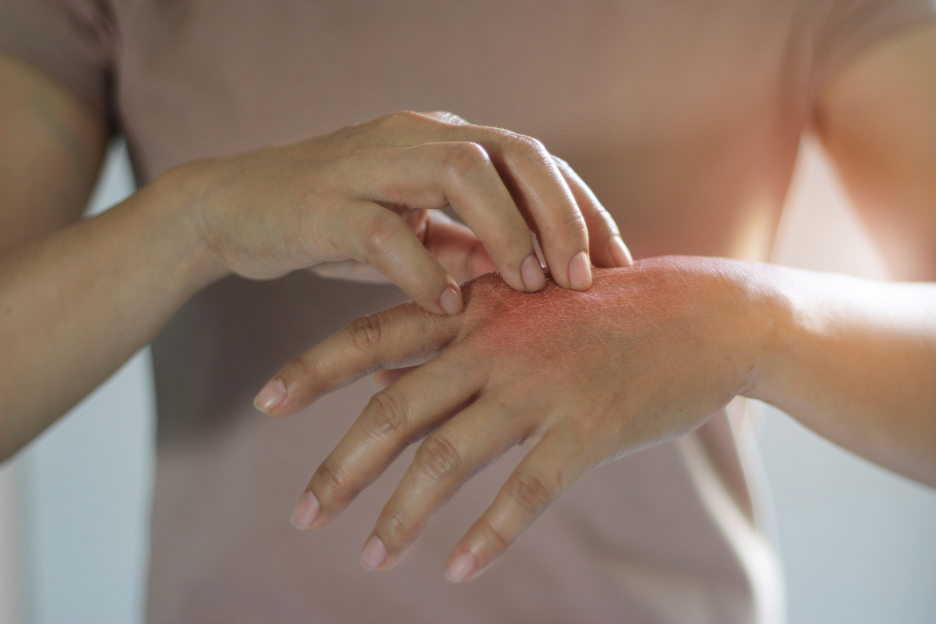
Once they are inside, the body reacts with inflammation. The skin may become swollen and painful. If the body cannot stop it, the infection can grow over the next few days.
Without treatment, the infection can spread to the lymph nodes or even the bloodstream. This is usually the point when people finally call an internal medicine specialist in Hobart, Indiana — because the pain or swelling becomes too hard to ignore.
What early signs should you watch for after a cut?
After you get a cut, pay attention to how the skin changes over time. Redness that spreads, swelling, pain or drainage are early signs that an infection may be starting.
These changes are crucial to monitor because skin infections can spread quickly. If cellulitis is not treated, it can spread to the lymph nodes and then into the bloodstream.
Because of that, these warning signs should be checked before the infection goes deeper. If you notice them, it is best to let an internal medicine specialist examine the area before it becomes harder to control.
What should you do right after you get a cut?
As soon as you notice a cut, rinse it under running water to wash away dirt and lower the risk of infection. You can clean the skin around it with soap but try not to scrub soap directly into the wound. After rinsing, dry the area gently with a clean towel.
If the cut is in an area where it touches your clothing or dirt, cover it with a clean bandage. Change the bandage at least once a day or whenever it gets wet or dirty. Avoid picking at scabs or scratching the area because this can reopen the wound.
If the spot gets worse instead of better or if these problems last more than a couple of days, see an internal medicine specialist. They can prevent the infection from spreading or causing a scar.
What will a doctor do if your cut is infected?
The treatment depends on how deep the infection is and how far it has spread. Some people only need oral antibiotics. Others may need the wound cleaned or drained so the tissue can heal.
Cellulitis is usually treated with antibiotics. If there is an abscess, your doctor may open and drain the pus and sometimes prescribe antibiotics afterward. Visiting an internal medicine specialist in Hobart, Indiana sooner rather than later can keep a small infection from becoming a more serious medical problem.
Looking for an affordable internal medicine specialist in Hobart, Indiana?
Are you ready to meet with an internal medicine specialist in Hobart, Indiana who can check a small cut before it becomes serious? If so, 219 Health Network is the top choice. Our team of board-certified internists can examine the wound and treat any infection. Contact us today at 833-219-0001 to schedule an appointment.