
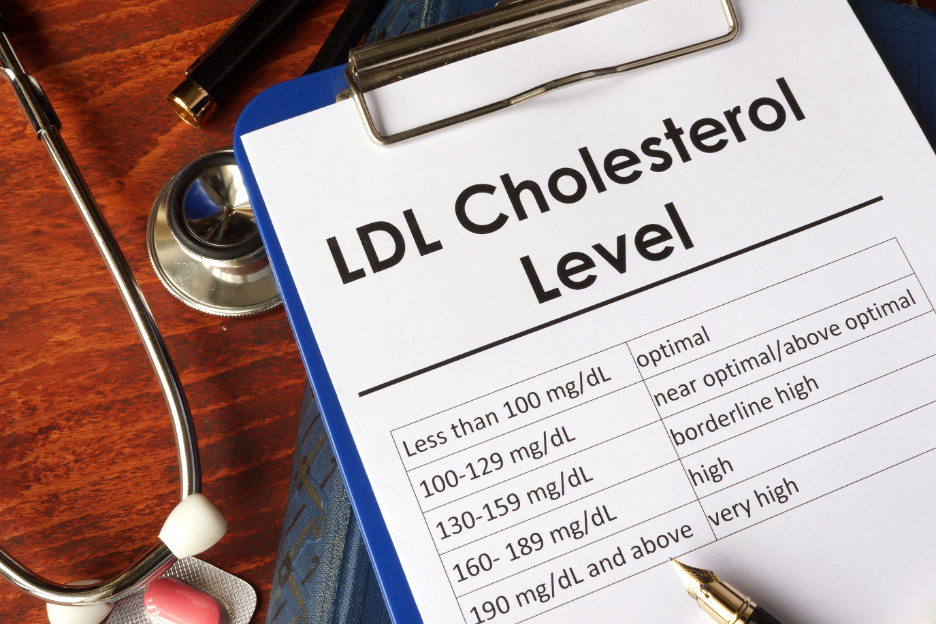
For many people, statins are the first line of treatment for lowering bad cholesterol. But what happens if you experience any side effects after starting a statin? Below, our internal medicine specialists in Highland, Indiana are going to explain how high cholesterol can still be managed if you have experienced statin side effects.
Evaluating statin side effects
Experiencing side effects while taking medication can be scary. But stopping your treatment on your own is not a good idea.
If you stop statin therapy without medical advice, cholesterol levels can rise again and remain uncontrolled. Because high cholesterol does not cause any noticeable symptoms, it is possible to feel perfectly fine even when cholesterol is gradually building up in your arteries.
When someone reports possible side effects from statins, an internal medicine specialist in Highland, Indiana will first check if the symptoms are related to the medication or to other factors.
In some cases, statin use can be associated with a condition called myopathy. Myopathy refers to problems affecting the muscles and can cause muscle pain, tenderness, weakness or unusual fatigue. In more concerning cases, it can also lead to higher levels of an enzyme called creatine kinase (CK) in the blood.
As a result, doctors may recommend a blood test if someone reports significant muscle symptoms. The test will confirm any sign of muscle injury.
Doctors also review other medications the patient is taking. Some drugs can interact with statins and cause the statin level in the body to increase. As a result, the risk of side effects gets higher.
Overall, the doctor’s goal is to manage cholesterol effectively while also making sure the treatment is safe and comfortable for the patient. If there are any side effects, doctors may adjust the dose or switch to a different statin.
Alternative medication strategies
Sometimes people cannot take statins because of side effects or other health reasons. In such cases, doctors can prescribe FDA-approved non-statin medications to lower bad cholesterol.
Ezetimibe, for example, inhibits cholesterol absorption in the small intestine. Because less cholesterol enters the bloodstream, the overall level of bad cholesterol in the body decreases. Another type of treatment is called PCSK9 inhibitors. These medicines increase the number of LDL receptors on liver cells so that more bad cholesterol can be removed from the circulation.
When doctors choose the best treatment for a patient, they evaluate the person’s overall risk of heart disease. High blood pressure, diabetes, and a family history of heart disease are all important contributors to heart disease risk. These factors help doctors decide how aggressively to treat cholesterol and which medication strategy will work best for you.
Lifestyle changes to lower cholesterol
Medication is only one component of cholesterol management. Your everyday lifestyle choices can also help you lower bad cholesterol and improve your heart health.
One of the most important areas to focus on is diet. Try to limit foods that are high in saturated fats, like fatty meats and many processed foods. Instead, add more foods rich in soluble fiber to remove excess cholesterol from the body. Building meals around nutrient-dense foods, like vegetables, whole grains, legumes and lean proteins, can improve your heart health while still allowing you to enjoy satisfying meals.
Physical activity and weight management are also key elements of lowering cholesterol and keeping your heart strong. Regular exercise supports heart health and is part of comprehensive cholesterol management recommendations. Maintaining a healthy weight can further reduce cardiovascular risk factors that tend to accompany elevated cholesterol levels.
Because cholesterol management requires a combination of strategies, working with a licensed internal medicine specialist in Highland, Indiana can be very helpful. They can monitor your cholesterol levels over time and adjust treatment plans when necessary.
Looking for an affordable internal medicine specialist in Highland, Indiana?
Are you looking for a qualified internal medicine specialist in Highland, Indiana who can help you manage high cholesterol safely after experiencing statin side effects? If so, look no further than 219 Health Network. Our internal medicine specialists are here to help you explore the best options and strategies to control your cholesterol. Contact us today to get started.