
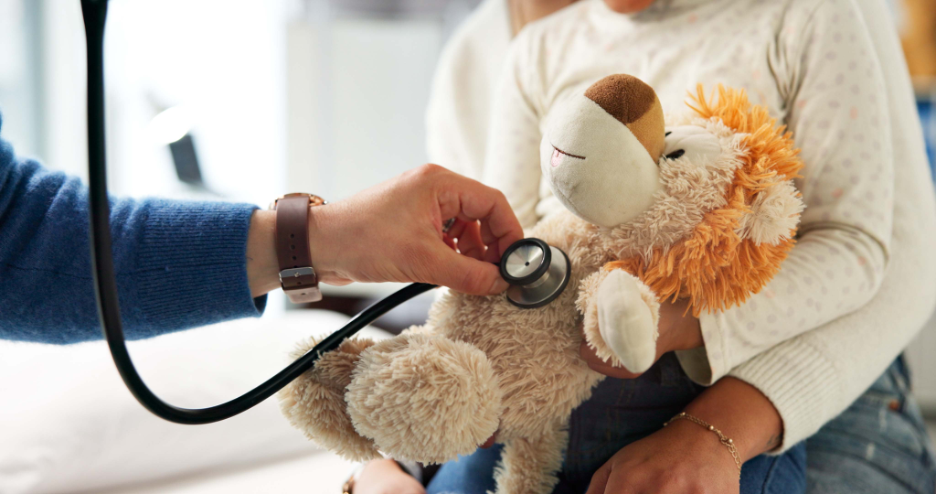
A pediatrician can begin caring for a child very early in life, often starting with newborn visits after the baby leaves the hospital. From there, pediatric care continues through infancy, childhood and adolescence, helping parents keep track of growth, development, preventive care and health concerns as their child gets older.
Our pediatricians in Northwest Indiana discuss when children should start seeing a pediatrician and why routine pediatric care is important at every stage.
What Does a Pediatrician Do?
A pediatrician is a medical provider who focuses on the health of infants, children and adolescents. Pediatricians understand how children grow and develop, and they can help parents monitor physical health, development, behavior and overall wellness.
Pediatric visits may include growth checks, developmental discussions, physical exams, screenings, immunization, and conversations about nutrition, sleep, safety, school and other age-appropriate concerns.
The goal is to support the child’s health as they grow, while also giving parents a trusted place to ask questions.
When Should My Child First See a Pediatrician?
Your child should usually start seeing a pediatrician shortly after birth. Newborn visits give the provider a chance to check the baby’s weight, feeding, growth, breathing, skin, reflexes and overall health.
These early visits are also helpful for parents. The first few weeks can bring many questions about feeding, sleep, diaper changes, crying and what is normal for a newborn.
For families in the Northwest Indiana area, starting pediatric care early can help create a relationship with a provider who understands your child’s health from the beginning.
Why Are Newborn Visits Important?
Newborn visits are important because babies change quickly in the first days and weeks of life. A pediatrician can monitor weight gain, feeding patterns, jaundice concerns, hydration and other early health signs.
Parents can also use these visits to ask about sleeping patterns, feeding questions, safe sleep, umbilical cord care and what symptoms should be discussed with a provider.
Early pediatric care helps make sure the baby is adjusting well after birth and gives parents support during a major transition.
How Often Should Babies See a Pediatrician?
Babies usually see a pediatrician regularly during the first year of life because growth and development happen quickly. These visits help track weight, length, head circumference, feeding, sleep, movement and developmental milestones.
Your pediatrician also may discuss recommended immunizations, answer parent questions and watch for changes that need follow-up.
Regular visits during infancy help create a clear picture of how the baby is growing over time.
Should Toddlers and Young Children Keep Seeing a Pediatrician?
Yes. Toddlers and young children should continue seeing a pediatrician for routine checkups, developmental monitoring, preventive care and health concerns.
During these years, children may be learning to walk, talk, eat new foods, sleep independently, interact with others and adjust to daycare, preschool or other routines. Pediatric visits give parents a chance to discuss these changes.
A provider can help evaluate whether a child is meeting expected milestones and recommend next steps if there are concerns.
When Should School-Age Children See a Pediatrician?
School-age children should see a pediatrician for regular wellness visits and when new health concerns come up. These visits may include physical exams, growth checks, screenings, immunizations and discussions about sleep, nutrition, activity, learning and emotional well-being.
Children’s needs can change once school, sports, friendships and daily routines become a bigger part of life. A pediatrician can help parents understand how these changes may relate to the child’s health.
Ongoing care gives families a consistent place to discuss concerns before they become harder to manage.
Should Teenagers Still See a Pediatrician?
Yes. Teenagers can continue seeing a pediatrician because adolescence brings important physical, emotional and developmental changes.
Teen visits may include conversations about growth, sleep, stress, school, nutrition, exercise, mental health, safety and ongoing medical concerns. These appointments also give teens a chance to become more involved in understanding their own health.
Our pediatricians in Northwest Indiana can support teenagers and families as health needs change during adolescence.
What If My Child Seems Healthy?
Even if your child seems healthy, routine pediatric visits are still important. Some health or developmental concerns are easier to identify during regular checkups, before they become more noticeable at home or school.
Well visits also help keep preventive care up to date and give parents time to ask questions about normal growth, behavior, sleep, eating and activity.
Pediatric care is not only for illness. It is also about supporting healthy development over time.
When Should I Schedule a Visit Between Checkups?
You should schedule a visit between routine checkups if your child has symptoms that are persistent, worsening, unusual, or affecting daily life. This may include changes in eating, sleeping, breathing, energy, mood, behavior, digestion, skin or pain.
You may also want to schedule a visit if you have concerns about growth, development, school performance or changes in your child’s routine.
Looking for a Pediatrician in Northwest Indiana?
It’s recommended that children start seeing a pediatrician shortly after birth and continue with routine visits through infancy, childhood and adolescence. If you are looking for ongoing care for your child, our pediatricians in Northwest Indiana can help with wellness visits, developmental monitoring, preventive care and everyday health concerns.
At 219 Health Network, we provide pediatric care designed to support children and families through each stage of growth and development. Contact us to schedule an appointment and start building a trusted care relationship for your child.